Digital implementation plan for excellence in international medicine
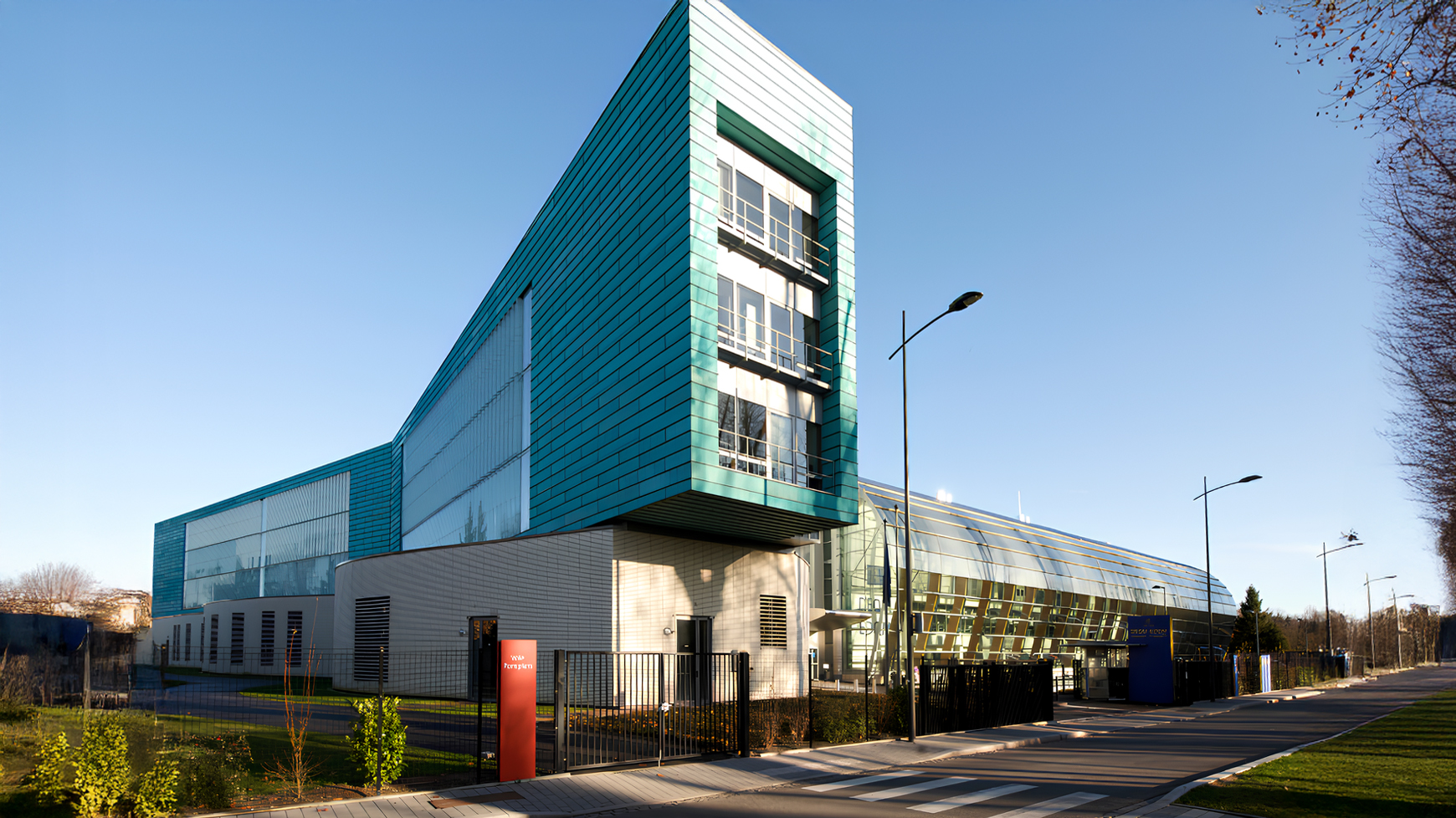
EDQM, Strasbourg (France)
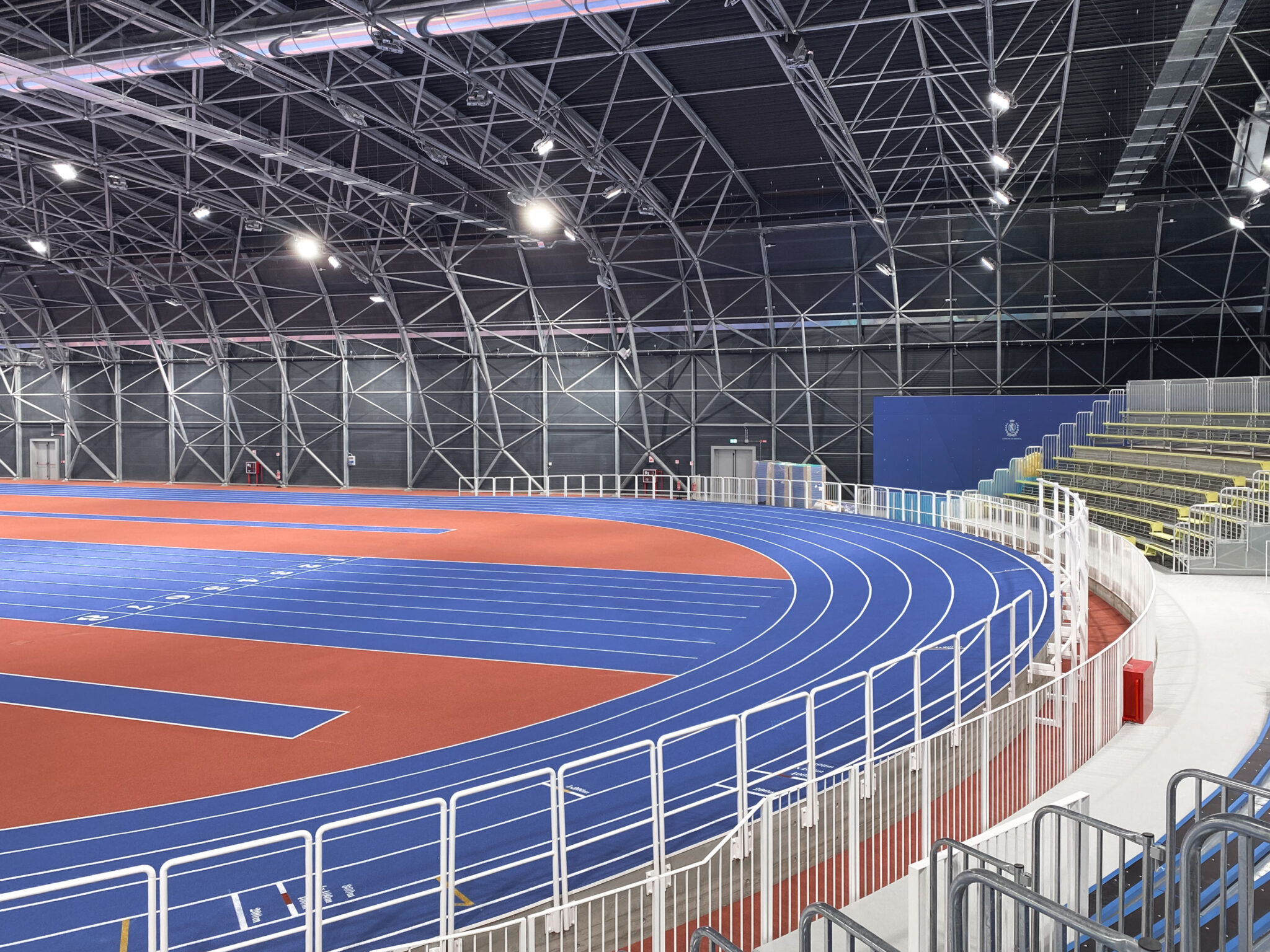
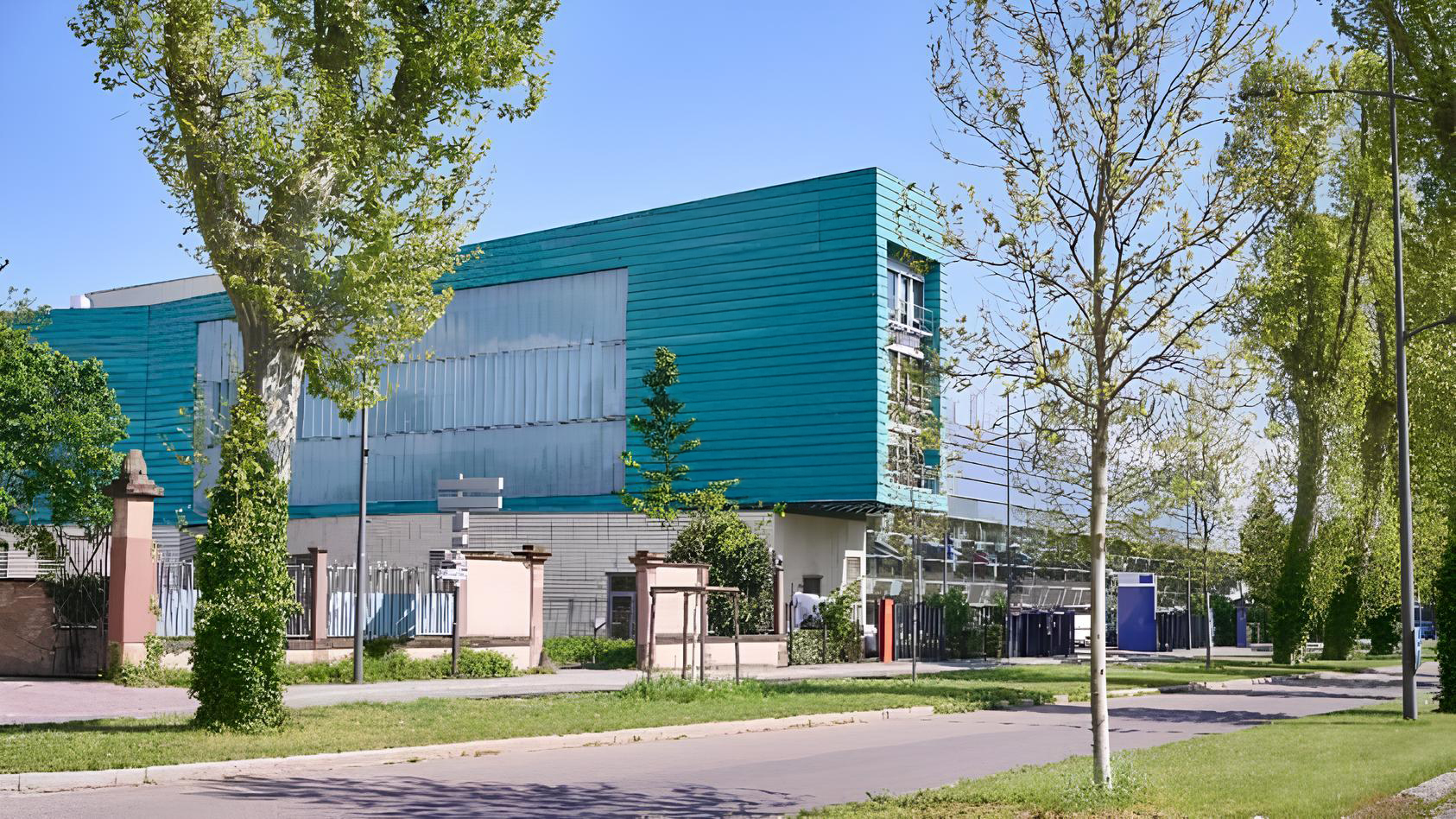
As a result of the EDQM 2030 development programme, the EDQM (European Directorate for the Quality of Medicines & HealthCare) organisation will be responsible for managing and maintaining several buildings with a total projected area of approximately 34,000 m², of which more than 20,000 m² will comprise highly specialised and technologically advanced spaces (laboratories, warehouses, logistics areas, etc.).
In light of these factors, EDQM aims to take this opportunity to enhance the processes and tools used in the management of its assets, advancing management processes and tools through new technologies applied to the construction sector, with particular attention to those dedicated to asset and facility management.
To achieve this objective, the EDQM decided to explore the possibility of introducing the BIM methodology within the organisation, in order to manage maintenance activities more efficiently by systematising all data relating to buildings, their spaces, and their technological equipment.
The objectives that the EDQM aims to achieve through the application of the BIM methodology include:
- Centralising information on buildings and all their constituent elements, creating a single reliable source of information.
- Reducing the costs and execution times of interventions.
- Making maintenance more effective (and less costly) by moving from corrective to preventive and even predictive maintenance.
- Optimising the use of space.
- Reducing the loss or duplication of information.
- Facilitating the exchange of information between stakeholders, reducing information silos.
The EDQM, recognising that the BIM methodology is one of the essential components for achieving these objectives, and that the integration of BIM may involve other areas, systems or processes—such as IT infrastructure, BMS (Building Management System), CMMS (Computerised Maintenance Management System), and existing data exchange processes between various parts of the organisation—decided to engage a specialist consultant to support an internal assessment. The aim is to identify and analytically evaluate all factors contributing to the development of a targeted implementation plan, enabling the integrated and widespread application of the BIM methodology. This will ensure its effective value within the specific context in which the organisation operates, both from a technical-operational and strategic management perspective.
19
UNITS INVOLVED
450
TOTAL STAFF
34.000
TOTAL AREA
[m²]
“The partnership with the EDQM, a leading international organisation, is enabling us to advance our implementation techniques through a valuable assessment process. Operating in a global context, close collaboration with the client and an understanding of their methodology are essential for our mutual growth.“
Other projects

New life for an icon of Italian Rationalism
Former Banca Popolare di Lecco, Piazza Garibaldi, Lecco