The pyramids of Giza and digital culture: where it all began
Grand Egyptian Museum, Cairo
On 1 November 2025, the Grand Egyptian Museum will finally open its doors with a long-awaited ceremonial event, bringing together distinguished guests from around the world in Cairo. For DVArea, it is a great source of pride to have contributed to the creation of a project of such scale and cultural significance, destined to preserve evidence of more than 3,000 years of history.
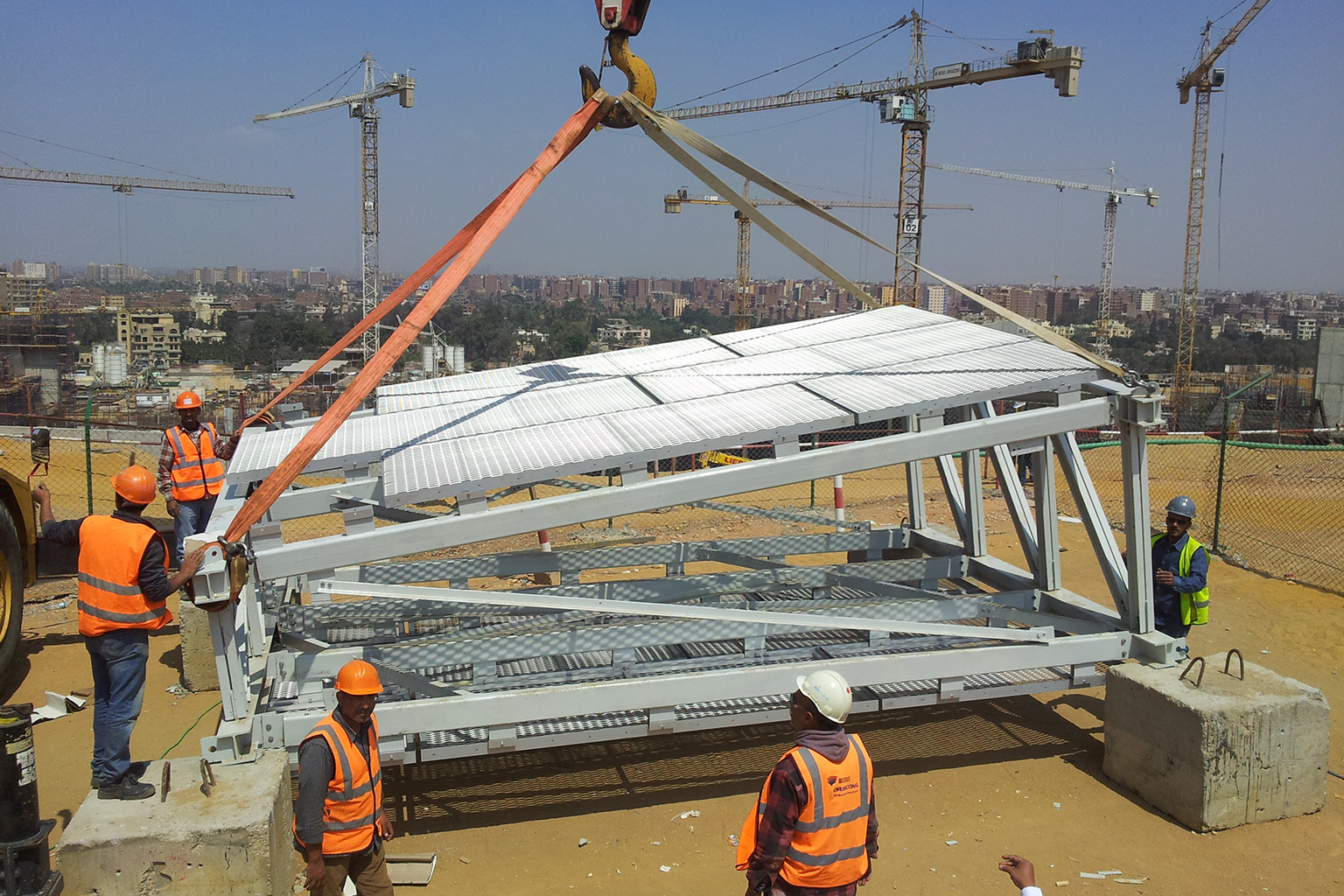
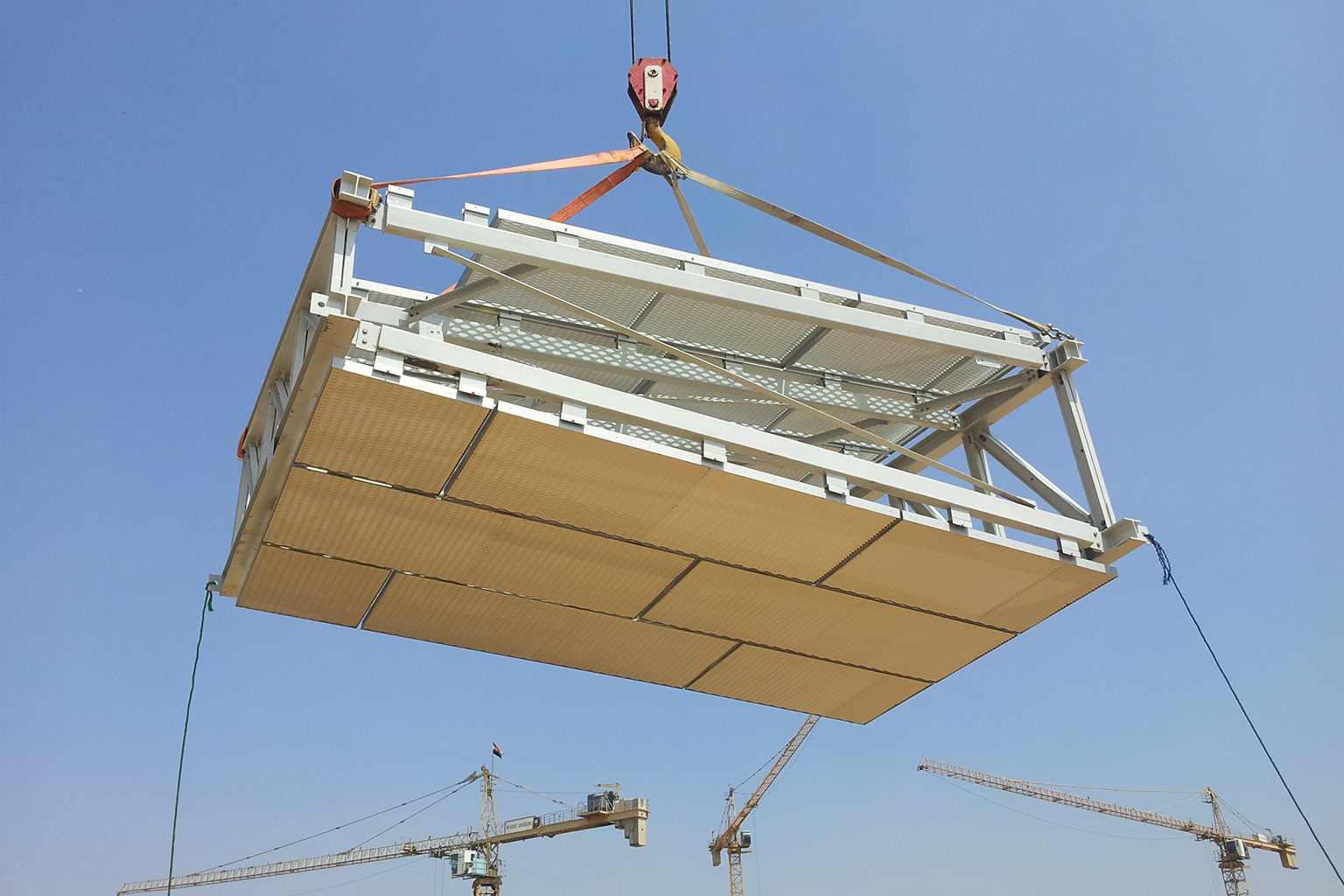
Our experience with the GEM marked a true turning point. At a challenging time for architects, when the construction sector was still feeling the effects of the crisis, we were invited to collaborate on the detailed design of the museum’s facades.
For the first time, we worked within a complex BIM protocol that required the use of Revit, while our team was then accustomed to Archicad. The challenge of model interoperability gave us the opportunity to fully explore the potential of parametric design, understanding how information could become an integral part of the three-dimensional model.
From this experience came the awareness that would later give life to DVArea: the conviction that the future of architecture lay in a new digital approach – already established in international contexts, but still in its infancy in Italy at the time. In 2015, when we became an independent entity, we chose to pursue this vision and to share it across the entire construction supply chain – from companies to private clients, from investors to public operators.
Today, on the eve of the inauguration of the world’s largest archaeological museum, we can look back with pride: our story began here, with a project that bridges digital innovation and the millennia-old legacy of the civilisations that shaped the pyramids of Giza.
480.000
GFA
[m²]
47.835
MESH PANELS
4
DUPLICATED PARAMETRIC ELEMENTS
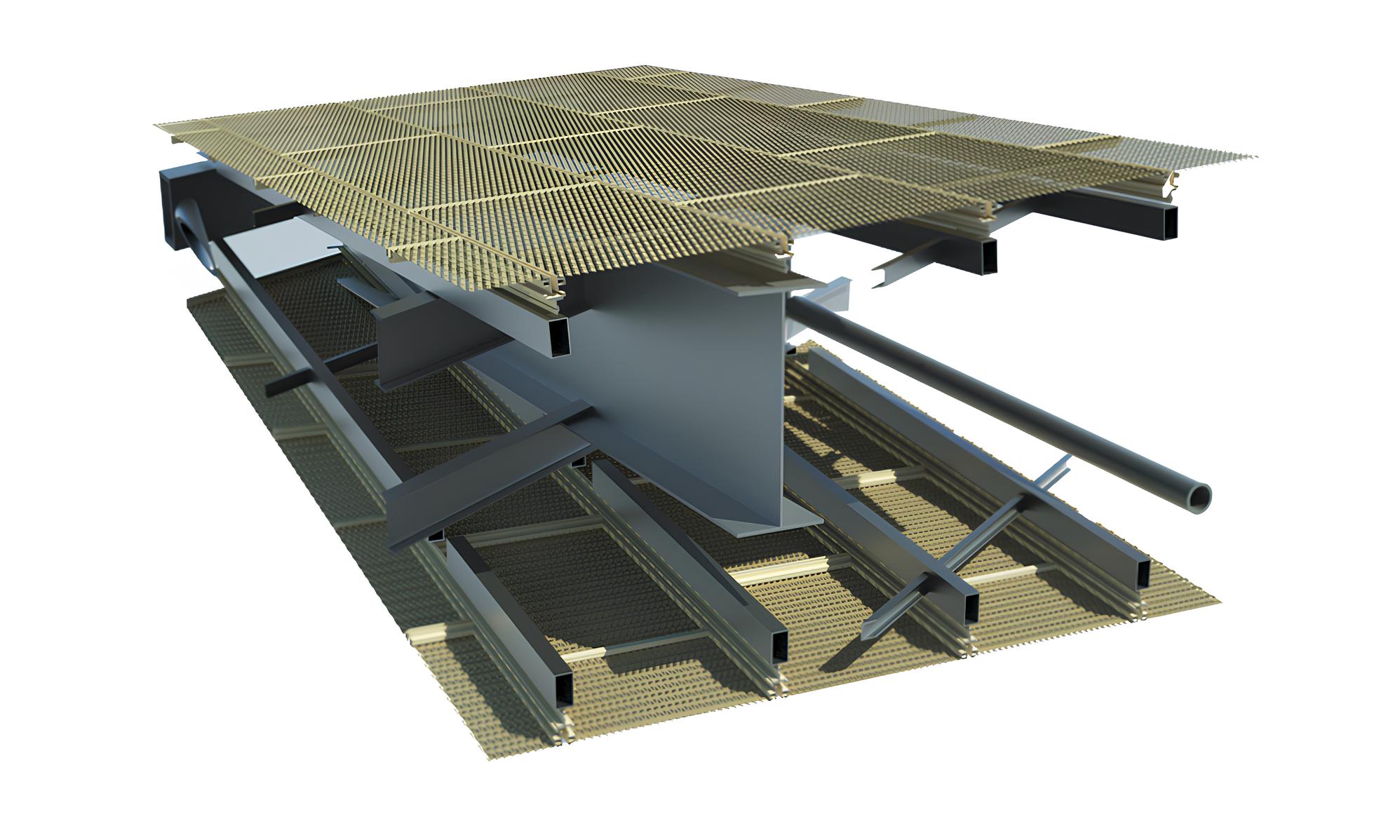
“BIM applied to one of the most iconic construction sites in the world. It was 2013 when we first stepped onto the site—what an incredible experience to work under the watchful gaze of the Pyramids of Giza.”